Introduction
In workplace safety, manual handling remains a crucial topic, particularly in the UK, where an alarming percentage of injuries stem from improper lifting techniques. The standard advice to “lift with your legs” has become a catchphrase among safety professionals. However, the reality is much more complex. As modern lifestyles evolve, more individuals are leading sedentary lives, resulting in a natural weakening of muscles, especially among older adults suffering from accelerated sarcopenia. This blog addresses the misconceptions surrounding manual handling and explores why many individuals continue to lift with their backs until injury strikes.
Understanding Manual Handling
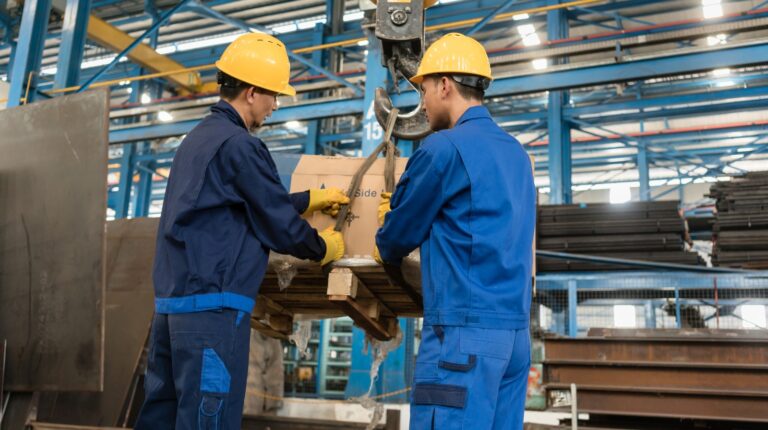
Manual handling requires a person to lift, carry, push, pull or lower an object. While it appears straightforward, Improper manual handling can lead to significant injuries, making workplace health and safety training an important part of risk reduction.. The advice to lift with the legs rather than the back is rooted in understanding body mechanics; however, this principle can oversimplify the issue.
A strong emphasis on proper lifting techniques is essential, but many overlook crucial factors such as personal fitness levels, body awareness, and task demands. Understanding these aspects can lead to more effective and safer manual handling practices.
Watching Young Children Manual Handling
Young children, particularly toddlers, demonstrate remarkable innate abilities when it comes to lifting. Observe a toddler as they pick up a toy or an empty box, and you’ll likely see them drop into a low squat, utilising their legs and core rather than straining their backs. This instinctive behaviour is rooted in their physical development; with their backs still forming, they rely on their strong leg muscles to perform lifting tasks.
What’s fascinating is that toddlers perform this action without any instruction. Squatting down and lifting are natural movements they instinctively grasp as they explore their world. Their bodies are designed to promote safe and effective lifting techniques, showcasing an understanding of body mechanics that diminishes as they enter adulthood.
However, as we grow, many of us become increasingly sedentary and lazy in our lifting practices. We often abandon these natural movements, leading to poor lifting techniques that can contribute to various injuries, particularly in manual handling. The shift from instinctive, safe lifting methods to inefficient ones marks a significant change in our interaction with physical tasks.
Maintaining the awareness and physical activity levels we had as children can have profound benefits as we age. Embracing natural lifting techniques and staying active can help us avoid the pitfalls of improper lifting and its associated risks, allowing us to carry the lessons of our childhood into adulthood.
Sedentary Lifestyles and Their Impact
The rise of technology has ushered in an era where sedentary behaviour is now the norm. According to Public Health England, around 63% of adults in England are classified as physically inactive, leading to a range of health issues, including muscular degeneration. The consequences of leading such a sedentary lifestyle can be profound and particularly visible in manual handling tasks.
Sedentary behaviour leads to weak muscles, particularly in the core and lower body. When lifting, weak muscles mean that people often resort to using their backs rather than their legs, which are generally more substantial and more suited for lifting when adequately conditioned. This tendency ultimately heightens the risk of injury.
Sarcopenia and Ageing
Sarcopenia, the age-related loss of muscle mass and strength, typically begins around the ages of 30 to 35. Studies indicate that adults lose approximately 10% of their muscle mass per decade after this age, leading to significant declines in physical function over time. Adults possess an average of about 35-45% muscle mass, but this percentage can diminish dramatically with ageing.
Losing muscle mass is not just a cosmetic concern; it is closely linked to increased injury risks. A lack of muscle can contribute to a higher incidence of slips, trips, and falls, as well as manual handling injuries, often seen in the workplace. Strength is crucial in maintaining balance and stability, making it vital for injury prevention.
In the context of manual handling, older adults may struggle to lift items that younger adults may handle with relative ease. Lack of physical activity exacerbates this condition, turning what would have been simple lifting tasks into significant challenges.
Statistics of Manual Handling Injuries
Manual handling injuries represent a significant portion of workplace accidents in the UK. According to the Labour Force Survey, in the year 2021/22, approximately 480,000
workplace injuries were reported in the UK, with over 30% attributed to manual handling. These injuries range from strains and sprains to more severe incidents requiring extended medical leave.
The Health and Safety Executive (HSE) reports that back injuries account for the highest percentage of manual handling claims, emphasising the importance of better training and awareness of proper lifting techniques. With annual costs to businesses running into the millions due to lost productivity from manual handling injuries, addressing this issue becomes increasingly apparent.
Human Behaviour and the Easy Option
One of the core issues surrounding manual handling is human behaviour. Despite knowing the risks involved, many individuals revert to lifting with their backs because it often seems like the “easier” option, particularly when faced with heavy or awkward objects. This inclination can be linked to cognitive biases, such as the “optimism bias,” where people underestimate the risks of injury.
The ease of poor lifting techniques can lead to immediate gains, allowing individuals to lift an item quickly. However, this short-term solution often results in long-term consequences, including chronic back pain and injury. Changing this behaviour requires individuals to overcome ingrained habits and motivations to prioritise safety.
Injury Consequences and Preventative Measures
The consequences of manual handling injuries extend beyond individual suffering. They can impact workplace productivity, increase healthcare costs, and create a ripple effect on team dynamics and organisational morale. Injured employees require time off and training replacements, which may decrease productivity.
Changing behaviour is notoriously difficult, especially regarding health and safety. Despite the clear link between physical fitness—building and maintaining muscle—and reducing manual handling injuries, many individuals resist making necessary lifestyle changes.
In the UK, we find ourselves amid an obesity and diabetes epidemic, yet the connection between healthy habits and risk reduction often fails to inspire action. Even with widespread knowledge of the dangers posed by obesity, sedentary lifestyles, and associated health risks, many people cling to familiar behaviours.
Human factors play a profound role in this inertia. Deeply rooted habits, social influences, and psychological barriers can all hinder the willingness to change. The challenge lies not only in providing information but also in facilitating meaningful change in people’s lives. Addressing these issues requires a nuanced understanding of behaviour and the strategies needed to overcome the obstacles to adopting healthier
practices. Only by tackling these complexities can we hope to improve individual health and workplace safety.
Conclusion
In conclusion, the advice to “lift with your legs” is a simplistic slogan in a complex context. With the increasing prevalence of sedentary lifestyles, the effects of sarcopenia, and the human inclination to take the easy option, manual handling remains a significant concern in workplaces throughout the UK. By understanding the nuances of manual handling, emphasising proper training, and promoting physical fitness, we can work towards reducing manual handling injuries and creating safer work environments. Employers and employees must prioritise safety and body mechanics to ensure that lifting becomes a more effortless and less risky endeavour rather than a recipe for injury.