•   QMS ISO9001

Health and Safety

Manual Handling: Is It Really About Lifting with the Legs?

Manual Handling: Is It Really About Lifting with the Legs?

Manual Handling: Is It Really About Lifting with the Legs? 1600 896 SPP Solutions

Introduction

In workplace safety, manual handling remains a crucial topic, particularly in the UK, where an alarming percentage of injuries stem from improper lifting techniques. The standard advice to “lift with your legs” has become a catchphrase among safety professionals. However, the reality is much more complex. As modern lifestyles evolve, more individuals are leading sedentary lives, resulting in a natural weakening of muscles, especially among older adults suffering from accelerated sarcopenia. This blog addresses the misconceptions surrounding manual handling and explores why many individuals continue to lift with their backs until injury strikes.

Understanding Manual Handling

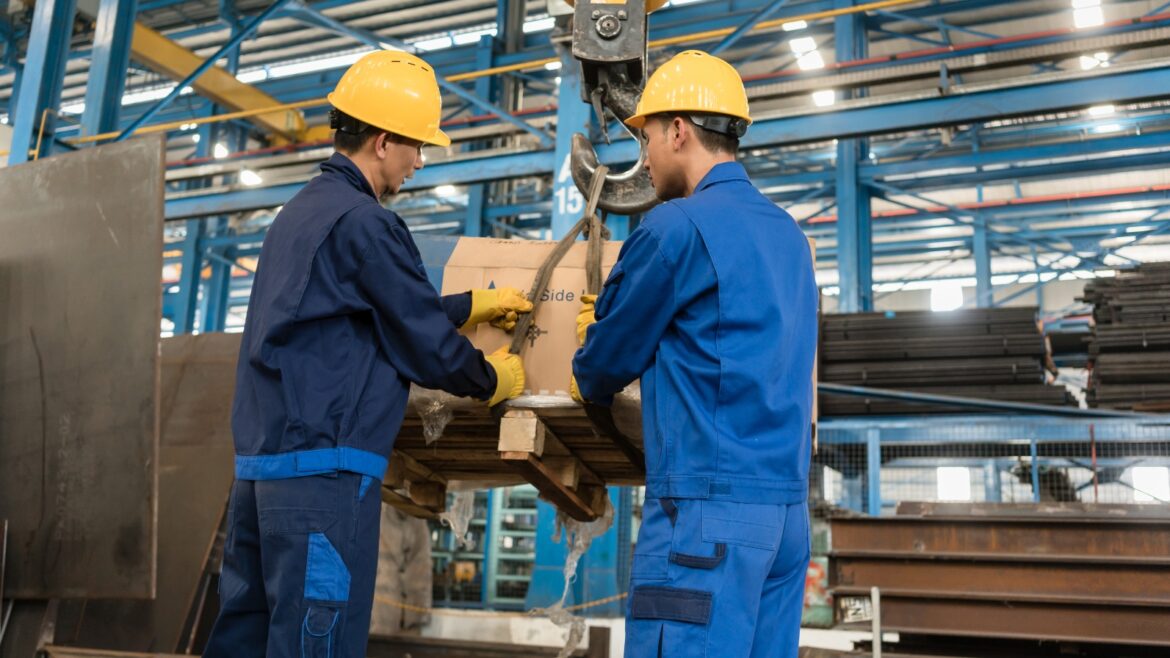
Manual handling requires a person to lift, carry, push, pull or lower an object. While it appears straightforward, Improper manual handling can lead to significant injuries, making workplace health and safety training an important part of risk reduction.. The advice to lift with the legs rather than the back is rooted in understanding body mechanics; however, this principle can oversimplify the issue.

A strong emphasis on proper lifting techniques is essential, but many overlook crucial factors such as personal fitness levels, body awareness, and task demands. Understanding these aspects can lead to more effective and safer manual handling practices.

Watching Young Children Manual Handling

Young children, particularly toddlers, demonstrate remarkable innate abilities when it comes to lifting. Observe a toddler as they pick up a toy or an empty box, and you’ll likely see them drop into a low squat, utilising their legs and core rather than straining their backs. This instinctive behaviour is rooted in their physical development; with their backs still forming, they rely on their strong leg muscles to perform lifting tasks.

What’s fascinating is that toddlers perform this action without any instruction. Squatting down and lifting are natural movements they instinctively grasp as they explore their world. Their bodies are designed to promote safe and effective lifting techniques, showcasing an understanding of body mechanics that diminishes as they enter adulthood.

However, as we grow, many of us become increasingly sedentary and lazy in our lifting practices. We often abandon these natural movements, leading to poor lifting techniques that can contribute to various injuries, particularly in manual handling. The shift from instinctive, safe lifting methods to inefficient ones marks a significant change in our interaction with physical tasks.

Maintaining the awareness and physical activity levels we had as children can have profound benefits as we age. Embracing natural lifting techniques and staying active can help us avoid the pitfalls of improper lifting and its associated risks, allowing us to carry the lessons of our childhood into adulthood.

Sedentary Lifestyles and Their Impact

The rise of technology has ushered in an era where sedentary behaviour is now the norm. According to Public Health England, around 63% of adults in England are classified as physically inactive, leading to a range of health issues, including muscular degeneration. The consequences of leading such a sedentary lifestyle can be profound and particularly visible in manual handling tasks.

Sedentary behaviour leads to weak muscles, particularly in the core and lower body. When lifting, weak muscles mean that people often resort to using their backs rather than their legs, which are generally more substantial and more suited for lifting when adequately conditioned. This tendency ultimately heightens the risk of injury.

Sarcopenia and Ageing

Sarcopenia, the age-related loss of muscle mass and strength, typically begins around the ages of 30 to 35. Studies indicate that adults lose approximately 10% of their muscle mass per decade after this age, leading to significant declines in physical function over time. Adults possess an average of about 35-45% muscle mass, but this percentage can diminish dramatically with ageing.

Losing muscle mass is not just a cosmetic concern; it is closely linked to increased injury risks. A lack of muscle can contribute to a higher incidence of slips, trips, and falls, as well as manual handling injuries, often seen in the workplace. Strength is crucial in maintaining balance and stability, making it vital for injury prevention.

In the context of manual handling, older adults may struggle to lift items that younger adults may handle with relative ease. Lack of physical activity exacerbates this condition, turning what would have been simple lifting tasks into significant challenges.

Statistics of Manual Handling Injuries

Manual handling injuries represent a significant portion of workplace accidents in the UK. According to the Labour Force Survey, in the year 2021/22, approximately 480,000

workplace injuries were reported in the UK, with over 30% attributed to manual handling. These injuries range from strains and sprains to more severe incidents requiring extended medical leave.

The Health and Safety Executive (HSE) reports that back injuries account for the highest percentage of manual handling claims, emphasising the importance of better training and awareness of proper lifting techniques. With annual costs to businesses running into the millions due to lost productivity from manual handling injuries, addressing this issue becomes increasingly apparent.

Human Behaviour and the Easy Option

One of the core issues surrounding manual handling is human behaviour. Despite knowing the risks involved, many individuals revert to lifting with their backs because it often seems like the “easier” option, particularly when faced with heavy or awkward objects. This inclination can be linked to cognitive biases, such as the “optimism bias,” where people underestimate the risks of injury.

The ease of poor lifting techniques can lead to immediate gains, allowing individuals to lift an item quickly. However, this short-term solution often results in long-term consequences, including chronic back pain and injury. Changing this behaviour requires individuals to overcome ingrained habits and motivations to prioritise safety.

Injury Consequences and Preventative Measures

The consequences of manual handling injuries extend beyond individual suffering. They can impact workplace productivity, increase healthcare costs, and create a ripple effect on team dynamics and organisational morale. Injured employees require time off and training replacements, which may decrease productivity.

Changing behaviour is notoriously difficult, especially regarding health and safety. Despite the clear link between physical fitness—building and maintaining muscle—and reducing manual handling injuries, many individuals resist making necessary lifestyle changes.

In the UK, we find ourselves amid an obesity and diabetes epidemic, yet the connection between healthy habits and risk reduction often fails to inspire action. Even with widespread knowledge of the dangers posed by obesity, sedentary lifestyles, and associated health risks, many people cling to familiar behaviours.

Human factors play a profound role in this inertia. Deeply rooted habits, social influences, and psychological barriers can all hinder the willingness to change. The challenge lies not only in providing information but also in facilitating meaningful change in people’s lives. Addressing these issues requires a nuanced understanding of behaviour and the strategies needed to overcome the obstacles to adopting healthier

practices. Only by tackling these complexities can we hope to improve individual health and workplace safety.

Conclusion

In conclusion, the advice to “lift with your legs” is a simplistic slogan in a complex context. With the increasing prevalence of sedentary lifestyles, the effects of sarcopenia, and the human inclination to take the easy option, manual handling remains a significant concern in workplaces throughout the UK. By understanding the nuances of manual handling, emphasising proper training, and promoting physical fitness, we can work towards reducing manual handling injuries and creating safer work environments. Employers and employees must prioritise safety and body mechanics to ensure that lifting becomes a more effortless and less risky endeavour rather than a recipe for injury.

CHRISTIAN ERIKSEN’S EURO 2020 CARDIAC ARREST: 5 LESSONS LEARNT

CHRISTIAN ERIKSEN’S EURO 2020 CARDIAC ARREST: 5 LESSONS LEARNT 150 150 SPP Solutions

Denmark’s players prepare for their second game of the 2020 European Championship today as they take on World number-one ranked Belgium, in what would typically be their toughest challenge of a tournament. However, it’s dwarfed in importance by the events of last Saturday. The World was shocked last Saturday when Dane talisman CHRISTIAN ERIKSEN’S EURO 2020 CARDIAC ARREST after suffering a cardiac arrest. Eriksen was ‘gone’, according to team doctor Morten Boesen, prior to the medical staff’s cardiac resuscitation.

Whilst it was ultimately positive news for Eriksen, The British Heart Foundation estimates that 10,000 people needlessly die in the UK, due to our bystander CPR rate being as low as 39% in some areas, compared to 73% in Norway.

So what lessons can we take away from the event?


The early moments are hugely important

No one wants to be in a situation where they are forced to act in place of medical professionals. However, the impact of bystander CPR is critical (which is why proper first aid training is essential). In fact, NEJM claims that the 30-day survival rate for patients who receive CPR before the arrival of emergency medical services was ‘more than double’ that of patients who did not.

Fortunately for Erikson, his captain Simon Kjaer secured the former’s neck, cleared his airways and started CPR. To make his actions even more heroic, he then encouraged the players to form a protective shield around Erikson to provide privacy from cameras, even consoling Erikson’s visibly upset wife once the medics were present.

Doctors the world over have claimed that Kjaer ‘saved his friend’s life’, and it shows us how important it is to act swiftly.


Learn how to administer CPR

This may seem obvious, but people fall victim to many different reasons in not learning emergency first-aid. Whilst many people simply don’t get around to learning it, others may hold the belief that it’s too expensive to learn, or too stressful as they would then consider themselves responsible at the scenes of potential incidents.

In fact, a British Red Cross poll of more than 2,000 adults across the UK found that nearly two-thirds of respondents thought people avoid learning first aid because of the responsibility it carries.

However, whilst learning first-aid is an undertaking that should be taken seriously, it can also be interesting and highly rewarding.

You can see our range of First-Aid Courses here.


Try to locate an AED

Defibrillators can often be the difference in someone surviving a cardiac arrest.
There are many fixed AED points in public places and office blocks so it’s always worth being aware of your nearest one, especially if you are a regular visitor to a location, such as an office. However, modern AED’s are also extremely portable, so if you find yourself in a situation whereby you need an AED, always ask any bystander if they can help locate one, whilst you continue with CPR.


Encourage others to do the same. 

While it is one thing to learn emergency CPR for yourself, there is also huge value in encouraging those around you to do the same.
If you manage a team or know people who require a little bit of encouragement to take new skills on, then you can make a real difference in leading by example.


Being fit doesn’t always prevent serious incidents.

Christian Eriksen is 29-years-old and has played 226 games in the Premier League – known to be the most physically demanding of all the elite football leagues. His cardiologist at Tottenham has said since the incident that Erikson’s heart health was ‘completely norma’, a message echoed by his current club doctor at Inter Milan, Piero Volpi.

So while it’s clear that we should all adopt healthy lifestyle choices, it’s worth keeping in mind that everyone can be affected by emergency situations.


Closing thoughts

Learning how to respond to a first aid emergency is one of the most worthwhile uses of your time and resources. Fortunately, the fast response of the referee – the game was stopped and medics signalled within 5 seconds of Eriksen collapsing – and the players and medical staff ensured this incident did not end in tragedy like CHRISTIAN ERIKSEN’S EURO 2020 CARDIAC ARREST.

It may be worth reflecting on how you and your team can be ready to deal with a similar situation.

You can view our range of First-Aid courses here.


WHEN IS IT LEGALLY TOO HOT TO WORK?

WHEN IS IT LEGALLY TOO HOT TO WORK? 150 150 SPP Solutions

Businesses could do with a break as they aim to recover from the Covid-19 pandemic. However, with record temperatures being recorded across the globe and the first heatwave warning of its kind announced in the UK today, where do businesses and employees stand when it comes to temperatures in the workplace? Let’s answer WHEN IS IT LEGALLY TOO HOT TO WORK?

Before we go any further, you may be thinking ‘surely not?’. However, some businesses in the UK – including Welsh establishments The Stone Crab restaurant, Pembrokshire, and the Stamp and Grind Coffee Bar, Blackwood – have indeed closed amid the heatwave. The latter recorded a temperature of 42 degrees Celsius behind the counter, and a decision was made to close the doors for three days.

Of course – as with anything in the current climate – there was a social media backlash, with one user telling the UK to ‘get a grip’.

However, this isn’t useful from a legal standpoint.

There is no set upper temperate limit in the UK workplace. Nevertheless, employers have a legal obligation to ensure that the temperature in the workplace is ‘reasonable’, as outlined by the Workplace (Health, Safety, and Welfare) Regulations 1992.

However, HSE has created a ‘thermal comfort checklist’, which essentially states that if two or more of their criteria are ‘ticked’, then a more extensive risk assessment ‘may need to be carried out’.

The Trades Union Congress (TUC) stated – that it believes a maximum temperature of 30°C should be set by employers, with a maximum of 27°C put into place for those doing strenuous work.

With nothing legally binding, it’s up to the employer and employee to work together to ensure work is as safe and comfortable as possible.

Here are some informal tips for employees and employers during hot weather:

For employees

  • If work keeps you outdoors for a long time your skin could be exposed to more sun than is healthy for you.
  • You should take particular care if you have: fair or freckled skin that doesn’t tan, or goes red or burns before it tans, red or fair hair and light coloured eyes, a large number of mole
  • Too much sunlight is harmful to your skin as it can cause skin damage including sunburn, blistering and skin ageing and in the long term can lead to an increased risk of skin cancer.
  • You can manage your exposure to the sun by wearing high factor sunscreen, drinking lots of water and taking regular breaks in shaded areas.

For employers

  • Reschedule work to cooler times of the day
  • Provide more frequent rest breaks and introduce shading to rest areas
  • Provide free access to cool drinking water
  • Introduce shading in areas where individuals are working
  • Encourage the removal of personal protective equipment when resting to help encourage heat loss
  • Educate workers about recognising the early symptoms of heat stress

Closing thought

As global temperatures continue to rise in the foreseeable future, it will be interesting to monitor how policy towards temperature in the workplace change in the UK and further afield.

Is Health & Safety a concern to you and your workplace? View our Health & Safety courses here.

HOW TO IMPROVE HEALTH AND SAFETY AT WORK

HOW TO IMPROVE HEALTH AND SAFETY AT WORK 150 150 SPP Solutions

Health and safety at work is crucial for all businesses to consider. Employers are responsible for keeping their employees safe and need to continually consider the health and safety needs of their staff. A recent shift towards flexible working and remote working, partly driven by the COVID-19 pandemic, has meant that it is more difficult for employers to do this for a number of reasons. Employees may be working at home or elsewhere, and even keeping track of who is or isn’t in the workplace on any given day may be difficult. This means that health and safety today often needs to be managed both within the workplace and outside of it. So let’s find out HOW TO IMPROVE HEALTH AND SAFETY AT WORK?

GET UP-TO-DATE ON REGULATIONS AND COMPLIANCE

Organisations that wish to improve health and safety at work should begin by ensuring they are up-to-date on the latest regulatory guidance. The minimum that your organisation needs to do is follow the law and put any measures required for compliance in place. The Health and Safety Executive (HSE) website is a good place to start when looking for guidance. It is also the place to go for a number of other needs, from applying for licences, reporting a problem in the workplace, and reporting workplace accidents.

HEALTH AND SAFETY FOR REMOTE WORKERS

Remote working is becoming more common. Around the world, 52% of employees work remotely once a week. In the UK, 46.6% of people in employment worked from home in April 2020, although the majority was due to the pandemic. However, many people will be remaining in remote work of some kind even as people return to work. Managing health and safety for remote workers can be a challenge. Employers are still responsible for the health and safety of their remote workers, but when your employee’s workspace is in their home, it complicates matters. However, there are steps that you can take to protect home workers.

Some of the things that you can do to improve health and safety for remote workers include:

  • Check in regularly with people working alone
  • Encourage healthy screen use
  • Ensure employees have ergonomics working spaces, including comfortable chairs and adjustable desks
  • Allow employees to take home equipment such as keyboards or mice

MENTAL HEALTH IN THE WORKPLACE

Taking care of the physical safety of employees is important, but mental health in the workplace is also becoming a growing concern. This is true both of employees working on-site and those working remotely. Employers can help employees to care for their mental health in multiple ways. You can provide support for employees and encourage them to use the resources that you offer.

With remote employees, it’s especially important to check in with them regularly and watch out for the signs of stress. Helping to prevent isolation is something that employers can do too. Try to keep remote workers connected, whether through work communication or organising virtual social events.

Health and safety at work should be taken seriously. With 38.8 million working days lost to work-related ill health and injuries in 2019-20, it pays to take care of your staff.