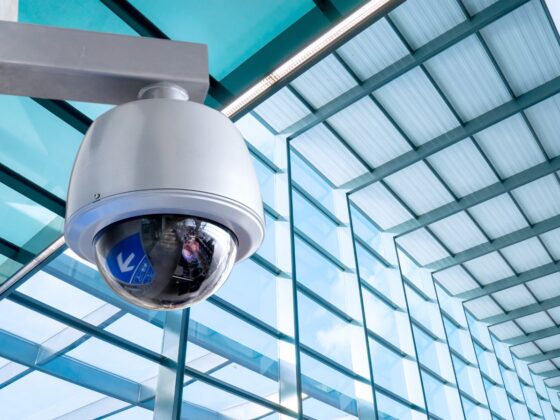
Modern CCTV systems are more advanced than ever. High-definition cameras, AI-powered analytics, facial recognition, and number plate recognition now play a central role in security, policing, and care environments across the UK.
But while organisations often focus on image quality and technological capability, there is a less visible factor that ultimately determines whether CCTV footage is usable at all: legal compliance.
In practice, even crystal-clear footage can be rendered useless if it is collected, managed, or retained in a way that breaches UK data protection or surveillance law. This article explains why compliance, not hardware, is the true foundation of an effective CCTV system.
The Rise of Advanced Surveillance Technology
CCTV has evolved far beyond passive recording. Many systems now support:
- Live facial recognition (LFR)
- Automatic number plate recognition (ANPR)
- AI-driven behaviour analysis
- Integrated city-wide or site-wide monitoring networks
These technologies can improve safety, deter crime, and support investigations. However, the more intrusive the system, the higher the legal threshold for justification, documentation, and oversight.
This is where many organisations encounter problems, not because the technology fails, but because the process behind its use is flawed.
Why CCTV Evidence Can Be Rejected
In legal proceedings, the question is not just what the camera captured, but how that footage was obtained.
Common challenges raised include:
- Was the surveillance lawful?
- Was it proportionate to the risk?
- Were privacy rights properly considered?
- Was the data handled and retained correctly?
If these questions cannot be answered clearly, CCTV evidence may be challenged under legislation such as:
- The Data Protection Act 2018
- The UK GDPR
- The Police and Criminal Evidence Act (PACE)
- Human rights law relating to privacy and fairness
In some cases, this can result in footage being ruled inadmissible, regardless of how compelling it appears.
The Role of the Data Protection Impact Assessment (DPIA)
At the centre of CCTV compliance is the Data Protection Impact Assessment (DPIA).
A DPIA is not a formality. It is a documented assessment that demonstrates:
- Why surveillance is necessary
- How risks to individuals are mitigated
- That monitoring is proportionate to the purpose
- That less intrusive alternatives have been considered
For CCTV systems operating in public or semi-public spaces, including care homes, workplaces, and public buildings, a DPIA is often mandatory.
Where DPIAs Commonly Fall Short
In practice, DPIAs may fail because they:
- Underestimate privacy and bias risks
- Ignore environmental factors affecting reliability
- Overlook data retention and access controls
- Are created once and never reviewed
Courts and regulators have shown that weak or outdated DPIAs can invalidate entire surveillance operations.
Legal and Regulatory Consequences of Poor Compliance
Failure to meet CCTV compliance standards can lead to:
- Evidence being excluded from legal proceedings
- Enforcement action by the Information Commissioner’s Office (ICO)
- Financial penalties under the data protection law
- Loss of public trust and reputational damage
As CCTV use expands across sectors from policing to care and commercial security, scrutiny is increasing. Organisations are expected to demonstrate not just capability, but governance and accountability.
Common CCTV Compliance Mistakes
Even experienced operators can fall into these traps:
Focusing on Technology Over Process
High-spec cameras do not compensate for poor legal foundations.
Outdated or Generic DPIAs
A one-size-fits-all assessment does not reflect real-world risks.
Poor Documentation
Lack of clear records around purpose, access, and retention weakens legal standing.
Ignoring Ongoing Review
Surveillance systems should be reassessed as environments, risks, and technologies change.
Why Compliance Is the Real Priority
CCTV is not just about observation; it is about demonstrating lawful and responsible operation.
Organisations that treat compliance as a living process, rather than a tick-box exercise, are far more likely to:
- Protect individuals’ rights
- Maintain admissible evidence
- Avoid regulatory issues
- Build long-term trust
Ultimately, the effectiveness of CCTV is determined not by how clearly it sees, but by how defensibly it is used.
Final Thoughts
Clear footage alone is not enough. Without proper legal foundations, even the most advanced CCTV systems can fail at the moment they matter most.
By prioritising compliance, regularly reviewing DPIAs, and embedding governance into everyday operations, organisations can ensure their surveillance systems are not only effective but also lawful, ethical, and defensible.